









Inhaltsverzeichnis
- Why the future of commercial kitchen ventilation is so important
- Status quo: Problems with conventional kitchen ventilation
- Induction technology: Efficiency through targeted air flow
- Hygiene as standard: automatic cleaning systems
- Demand-based ventilation: save energy without risk
- Artificial intelligence makes kitchen ventilation smart
- FAQ on the future of commercial kitchen ventilation
- The future begins today
- Follow us on social media
The future of commercial kitchen ventilation starts now: With induction technology, automatic cleaning, smart control and artificial intelligence, kitchens are becoming more efficient, hygienic, sustainable and truly modern.
Why the future of commercial kitchen ventilation is so important
Restaurants, hotels, hospitals and canteens face major challenges. Traditional exhaust hoods simply extract air without considering energy consumption, hygiene or demand. The future of commercial kitchen ventilation shows how it can be done better: intelligent, data-based and sustainable, because this is the only way to make your kitchen ventilation truly modern and contemporary!
Status quo: Problems with conventional kitchen ventilation
- Continuous operation even without cooking activity
- High energy consumption and unnecessary costs
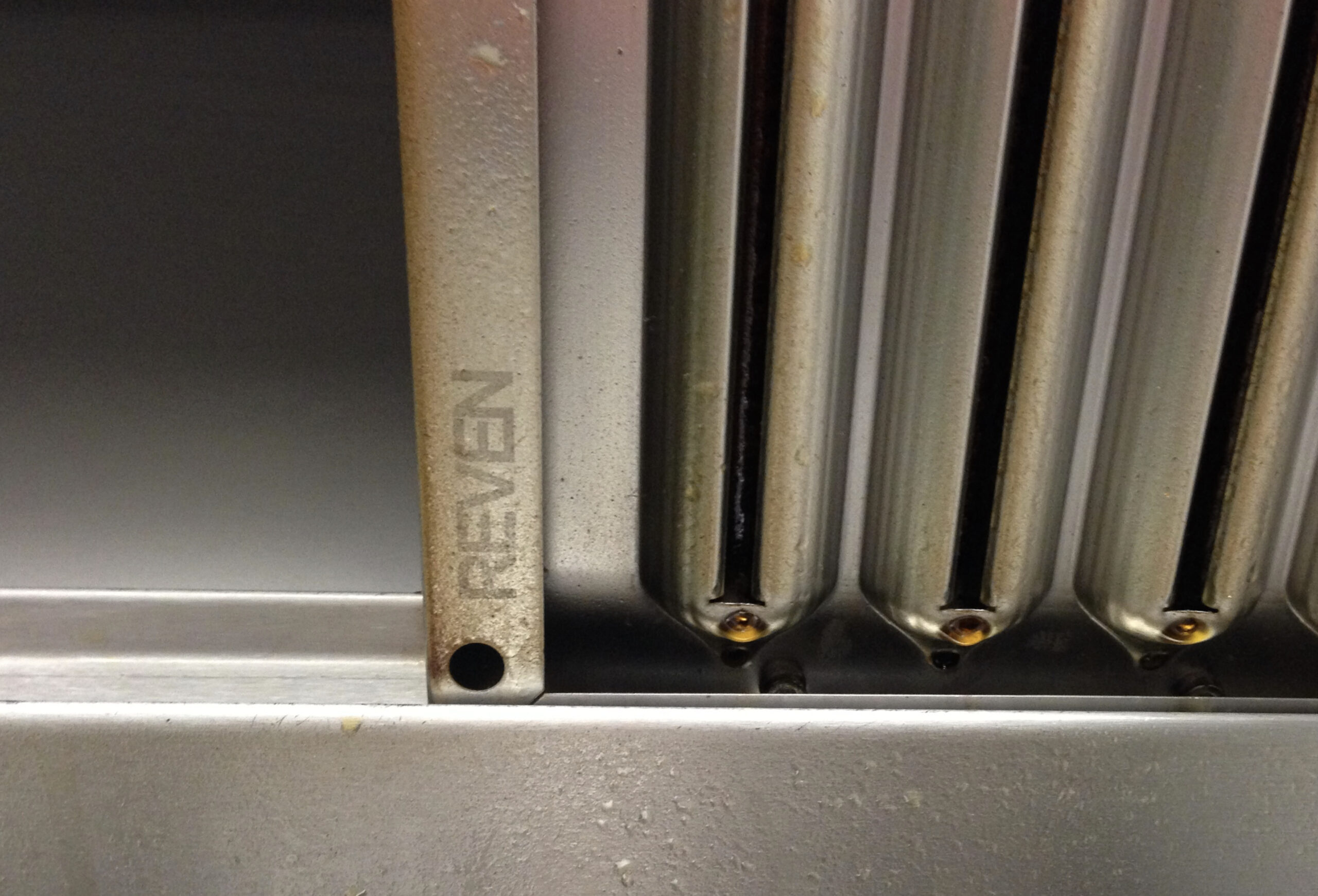
- Grease deposits, soiling and fire hazard
- No data collection, no transparency
These disadvantages make it clear: simple exhaust air hoods are no longer up to date; before a new project is planned with such simple conventional hoods, the usefulness must be questioned!
Induction technology: Efficiency through targeted air flow
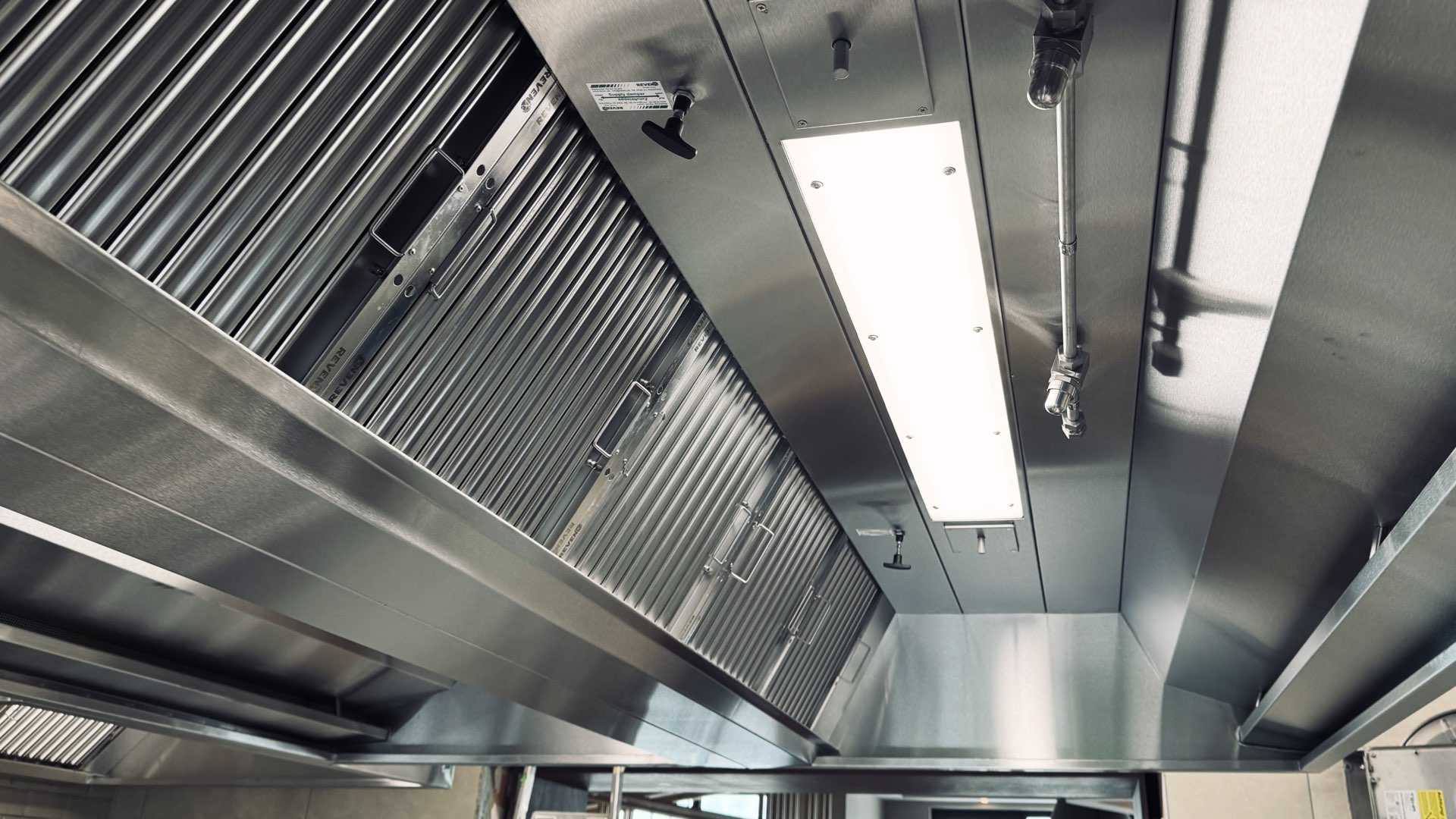
The induction technology directs cool supply air specifically into the separation area. As a result, aerosols are condensed and captured more quickly.
Advantages of induction technology:
- Up to 30 % less energy consumption
- Significantly less soiling in pipes
- Less cleaning effort
- Better air quality in the entire kitchen area
Hygiene as standard: automatic cleaning systems
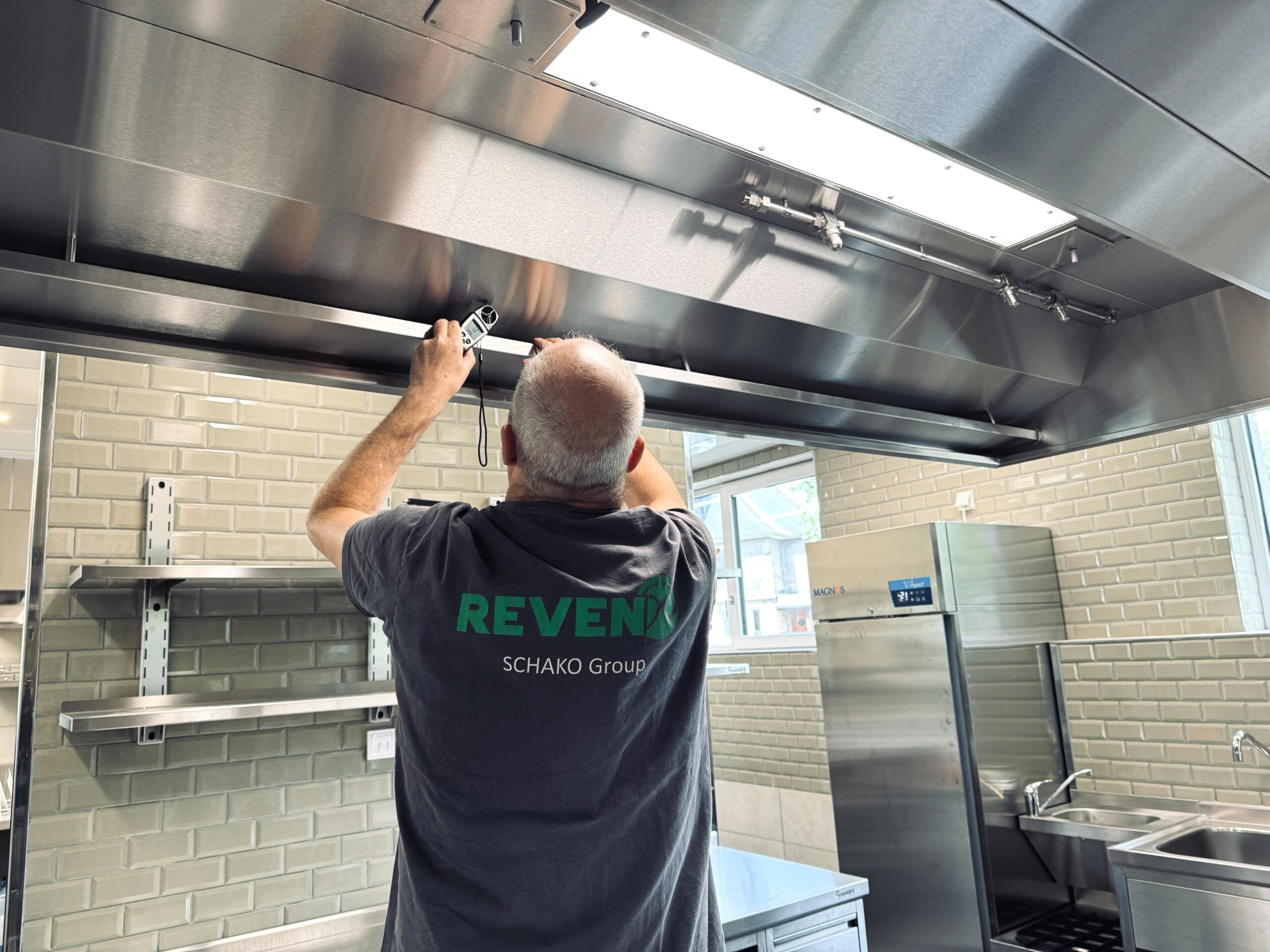
In the future of commercial kitchen ventilation, automatic cleaning systems will take care of cleanliness. They rinse separators and exhaust air chambers on both sides with hot water and cleaning agents so that the requirements of VDI 2052 Part 2 are also met.
Advantages:
- Hygienically safe kitchens according to HACCP and VDI 2052
- No fire loads due to grease deposits
- Documented cleaning runs for maximum transparency
Demand-based ventilation: save energy without risk
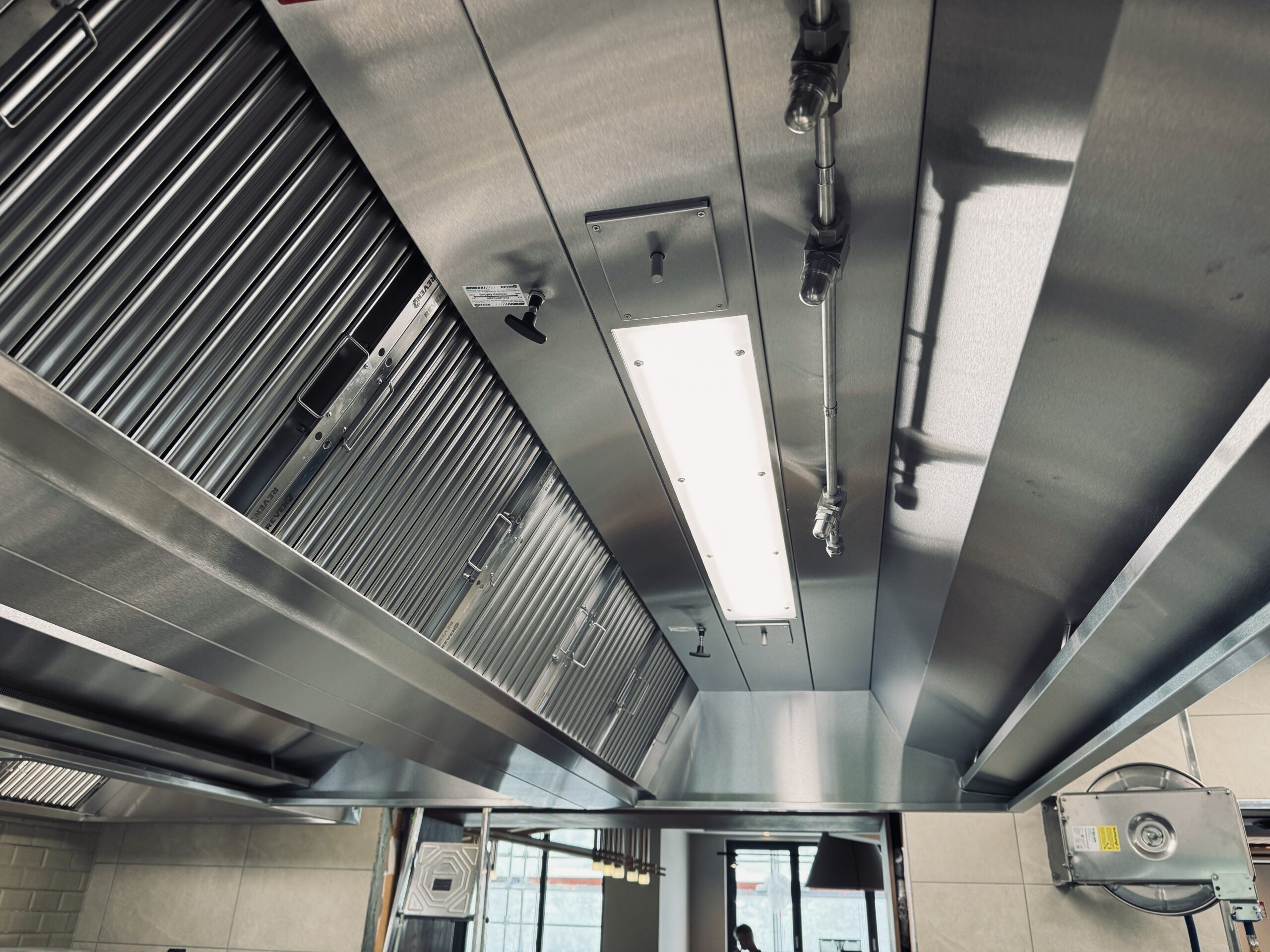
Instead of constant full load, modern systems rely on zone-controlled ventilation. Sensors detect in real time where cooking is taking place. The air volume is only increased there and reduced in other zones.
The advantages:
- No waste of energy
- Always sufficient air volume at the cooking zones
- Significant cost savings over the entire day
Artificial intelligence makes kitchen ventilation smart
The future of commercial kitchen ventilation uses artificial intelligence (AI) to optimize processes. AI learns from data and controls the system proactively, because this is how ventilation systems can become really smart.
Examples of AI applications:
- Adaptive control: ventilation automatically adapts to peak loads.
- Predictive maintenance: AI predicts maintenance before problems arise.
- Energy management: combination of ventilation, lighting and cooking technology saves electricity and reduces the CO2 footprint.
- Intelligent cleaning strategy: Cleaning is based on the actual load.
FAQ on the future of commercial kitchen ventilation
1 What is the biggest advantage of modern kitchen ventilation systems?
They combine hygiene, energy efficiency and digital control and make kitchens safer and more sustainable because they are scientifically based!
2 Why are induction hoods better than conventional extractor hoods?
Because they direct the cooking steam into the separator, consume less energy and keep the kitchen cleaner.
3. how does artificial intelligence help with kitchen ventilation?
AI analyzes data, optimizes ventilation settings, predicts maintenance and reduces operating costs in the long term because modern controls provide the basis for this.
4. are automatic cleaning systems mandatory?
In many commercial kitchens, they are state of the art. In order to reliably comply with hygiene regulations such as HACCP or VDI 2052, this must be considered and discussed before new projects are planned.
You can also find additional information on the future of commercial kitchen ventilation with the help of our YouTube Expert Talks:
The future begins today
The future of commercial kitchen ventilation is digital, hygienic and intelligent. The technology has long been available: Induction hoods, automatic cleaning, zone-regulated systems and AI-supported controls, before you start planning new projects, find out more.
Now is the time to actively implement these solutions, as this is the only way to make kitchens more efficient, safer and more sustainable – and not just in the distant future, but today.