










Inhaltsverzeichnis
- Catalog values are often not measured values!
- But watch out, this is where the cheating begins!!!
- What does “free blowing” mean?
- What does this mean in practice for mechanical engineering air purifier electricity costs?
- Energy waste in perfection: 21 kW for 2,100 m3/h!!!
- How energy-efficient are my oil and emulsion mist separators?
- Energy-efficient mechanical engineering air purifiers reduce electricity costs!!!
- Amortization after approx. one year!!!
- Further information can be found on our REVEN air purifier blog:
- Follow us on social media
Have you ever calculated how much power your machine tools’ mechanical air cleaners consume?
Catalog values are often not measured values!
A mechanical engineering air purifier on a machine tool in mechanical engineering consumes around € 2,000 of electricity per kW of connected load per year in three-shift operation. This is a common rule of thumb. With a connected load of 2 kW and 50 machines, that’s electricity costs of €200,000 just for the air purifier!
It is therefore worth choosing the right oil mist separator – and paying attention to which brand absorbs, for example, 1 or 2 kW of power for the same amount of oil!
But watch out, this is where the cheating begins!!!
Many manufacturers do not indicate the air volumes of their mechanical engineering air purifiers that are present during operation, but instead work with fictitious catalog values. These are then stated as “free blowing” and similar strange notes. This information is almost never based on actual suction power in practice!
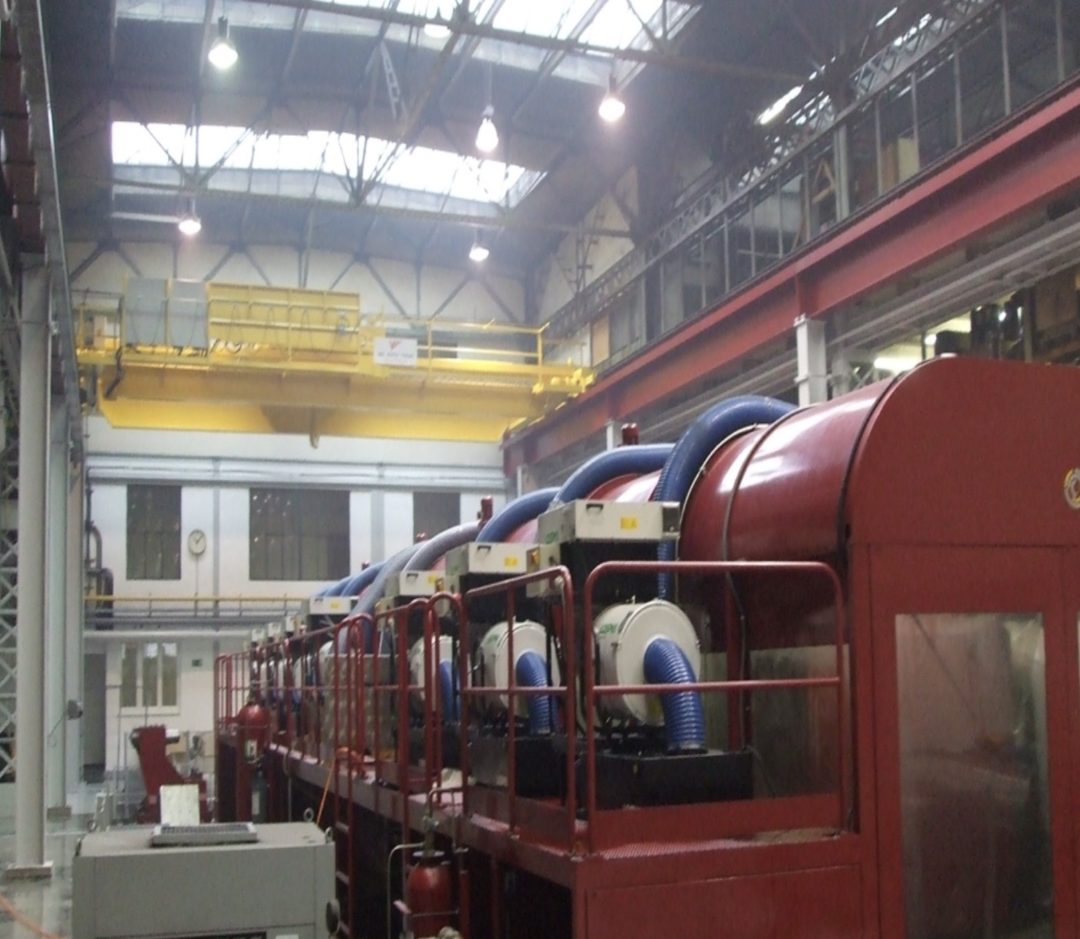
The illustration above shows 7 centrifuges which, according to the catalog, should each have a suction capacity of 3,000 m3/h. However, this information only applies if the appliances are “free blowing”!
What does “free blowing” mean?
This means that the mechanical engineering air cleaner works without a filter and is not connected to a machine tool! Only in such a “laboratory situation” do the centrifuges shown in the picture above achieve a catalog value of 3,000 m3/h suction capacity!!!
What does this mean in practice for mechanical engineering air purifier electricity costs?
In practice, this means that such machine air cleaners are indeed connected to the machine tools! Of course, the filters are also used in practice, which is logical, isn’t it? Furthermore, in practice, the filter mats of centrifuges are not nice and clean and dry, but are damp and dirty and therefore have a higher air resistance!
In the illustration above, this all led to the fact that of the 21,000 m3/h promised in the catalog, only 2,1000 m3/h were actually available in practice! Measurements carried out on the system revealed that the air purifiers were “stuffed” with a wide variety of filters and that these accumulated so much moisture that the suction capacity per unit was only 300 m3/h!!!
Energy waste in perfection: 21 kW for 2,100 m3/h!!!
These 7 air purifier systems currently operated in three shifts would generate annual electricity costs of around €45,000!
How energy-efficient are my oil and emulsion mist separators?
With new oil mist separators, it is important to measure the actual amount of air present after about six months, as shown in the example above.
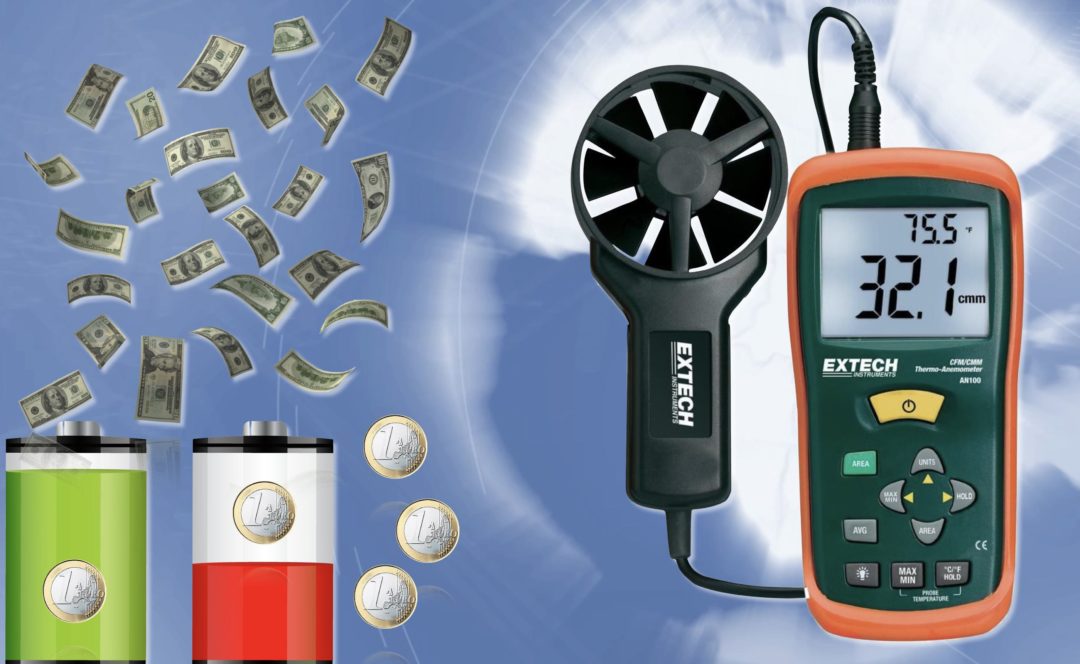
According to a rule of thumb, the ratio of the actual air flow rate in m³/h to the electrical connected load in watts is decisive. It should be above 1.
In the above example of the oil mist separator with 3,000 watts connected load and 300 m³/h actually present and measured, the following key figure results: 300 to 3,000 provides the key figure 0.1 and attests to the system’s very poor efficiency.
Energy-efficient mechanical engineering air purifiers reduce electricity costs!!!
Efficient air cleaners, oil mist separators and emulsion separators work with as few filters as possible and instead use flow-optimized separators that have much less air resistance, even when wet and dirty!
In the example above, the large system was renovated, not only was it given a new coat of paint, but all the old air purifiers were also replaced with flow-optimized electrostats, as shown in the illustration below:
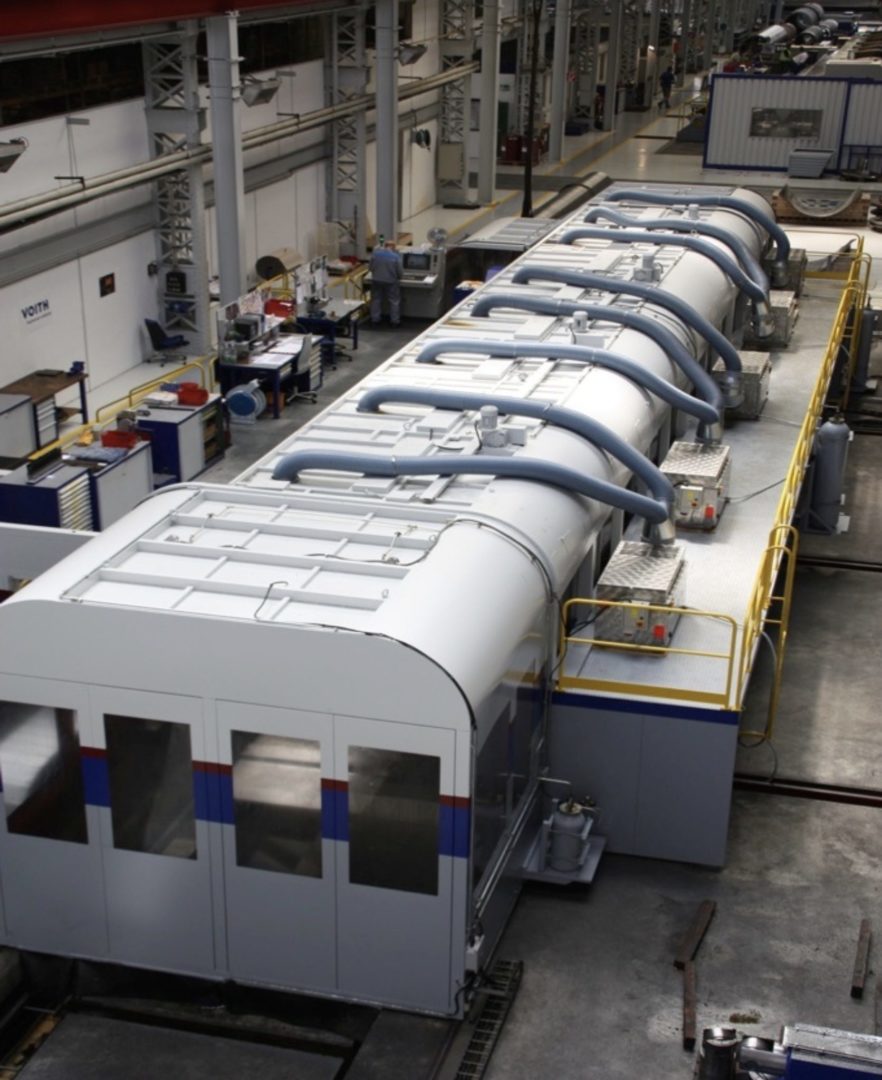
With the following result: Actual, measured and practical air flow rate of 5 times 2,500 m3/h = 12,500 m3/h with 5 times 2.5 kW power consumption.
Amortization after approx. one year!!!
Previously, the user was paying around €45,000 per year for electricity consumption for the 2,1000 m3/h of intake pipe that was actually available! After the renovation of his system, he pays around €25,000 per year for a real 12,500 m3/h.
Since the new mechanical engineering air purifiers also work completely without consumables and do not require filters that have to be replaced and disposed of annually, this results in further immense cost savings, which in total lead to amortization after just one year!